Connecticut Water Education & PFAS Awareness
PFAS “Forever Chemicals” in Connecticut Water
What Are PFAS?
PFAS (Per- and Polyfluoroalkyl Substances) are a group of synthetic chemicals commonly referred to as “forever chemicals” because they break down extremely slowly and can remain in water supplies — and the human body — for years.
- PFOA
- PFOS
- PFNA
- PFHxS
- GenX
- Non-stick cookware
- Waterproof materials
- Firefighting foam
- Food packaging
- Industrial manufacturing
Over time, PFAS contamination has spread into groundwater and municipal water systems across the United States, including Connecticut.

Why PFAS Are Becoming a Major Concern
PFAS are receiving increasing attention because of growing research surrounding long-term exposure and potential health concerns.
The EPA has significantly lowered what it considers acceptable levels of certain PFAS compounds in drinking water.
The current EPA maximum contaminant levels for:
- PFOS: 4 parts per trillion (ppt)
- PFOA: 4 parts per trillion (ppt)
To put that into perspective:
4 ppt is an extremely small amount.
The EPA lowered these limits because newer research suggests health effects may occur at much lower concentrations than previously believed.

Potential Health Concerns Associated With PFAS
Research into PFAS exposure is ongoing, but studies have linked long-term exposure to certain PFAS compounds with potential health concerns including:
- Increased cholesterol levels
- Liver effects
- Immune system impacts
- Reduced vaccine response in children
- Thyroid and hormonal disruption
- Developmental effects in infants and children
- Increased risk of certain cancers, including kidney and testicular cancer
One reason PFAS are receiving so much attention is because these chemicals can accumulate in the body over time rather than quickly breaking down or leaving the system. Because of this, many homeowners are choosing to reduce exposure even when water technically falls within current compliance standards.
PFAS in Connecticut Municipal Water
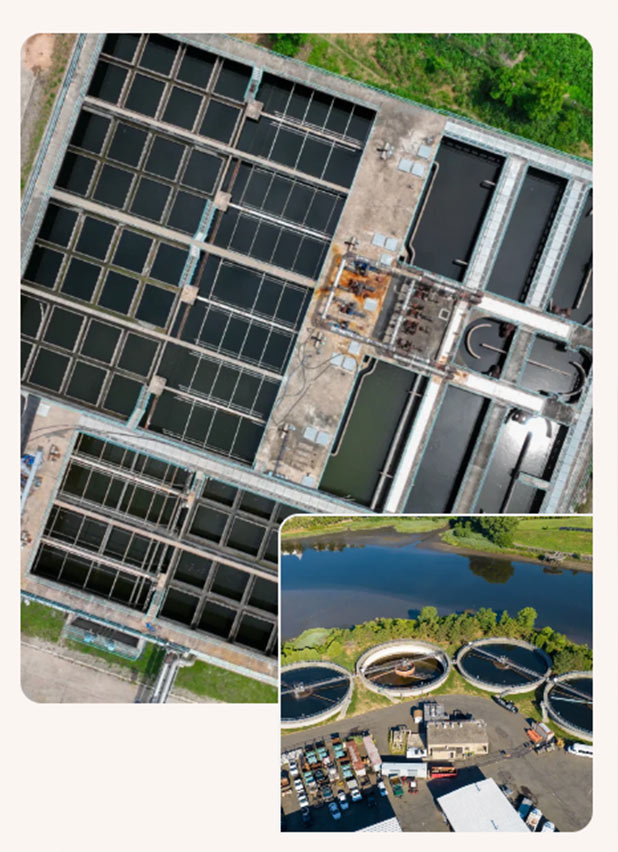
Municipal water systems throughout Connecticut are now undergoing expanded
PFAS testing.
While many systems remain within compliance requirements, PFAS detections are
still being found in some public water supplies — commonly in the approximate
range of:
5–20 ppt
That means some water supplies may contain PFAS levels above or near what the
EPA now considers it acceptable for long-term exposure.
Even if water is technically considered “compliant,” many homeowners are still
choosing to reduce exposure because:
- EPA standards have changed dramatically in recent years
- Regulations continue evolving
- Long-term exposure concerns remain
- Multiple PFAS compounds may be present simultaneously
EPA Regulations & Compliance Deadlines
The EPA finalized new federal PFAS regulations requiring public water systems to:
- Increase monitoring
- Notify customers of elevated levels
- Notify customers of elevated levels
- Implement treatment if necessary
The agency has also adjusted portions of the compliance timeline to give municipalities additional time for:
- Infrastructure upgrades
- Treatment implementation
- System-wide testing
- Regulatory compliance
Many utilities across the country are still determining how they will meet the
newer standards.
Municipal Water vs Well Water
City Water
Municipal water is regulated and treated, but that does not necessarily mean it is free of PFAS or other emerging contaminants. Because comprehensive PFAS testing can be expensive — especially when testing for multiple compounds — many Connecticut homeowners on city water choose to proactively install treatment systems instead of repeatedly paying for specialized laboratory testing.
In addition to PFAS concerns, many homeowners also choose treatment systems
to address:
- Hard water
- Chlorine and disinfectants
- Trace contaminants
- Taste and odor
- Sediment
- Trace contaminants


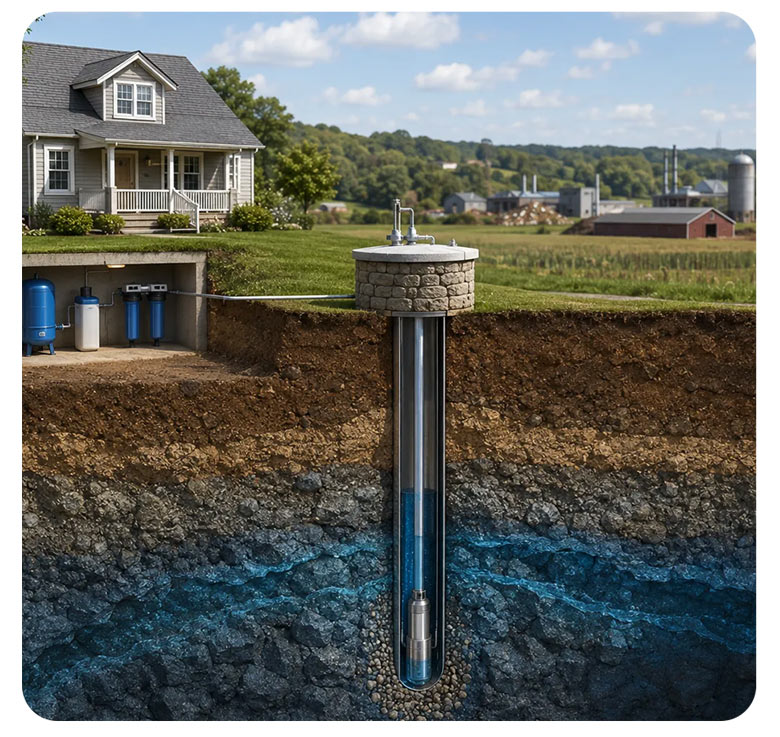
Private Well Water
Private wells are not regulated by the EPA and are not routinely monitored.
Unlike municipal systems, private well owners are responsible for their own water
quality testing and treatment.
PFAS testing for well water may be strongly recommended if:
- The property is near industrial areas
- There are nearby airports or military facilities
- Firefighting foam may have been used nearby
- The property is near landfills or manufacturing areas
- Nearby water systems have reported PFAS detections
- The well has never undergone expanded contaminant testing
- You are purchasing the home
Because PFAS cannot typically be seen, smelled, or tasted, laboratory testing is often the only way to determine whether contamination is present.
Whole Home PFAS Treatment Solutions
At Safehome Water Co, we offer professionally installed whole-home PFAS reduction systems for both city and well water homes throughout Connecticut.
Treatment options may include:
- Whole-home PFAS filtration systems
- Specialized PFAS adsorption media
- Activated carbon filtration
- Reverse osmosis drinking water systems
- Custom water treatment solutions based on your water source and household needs
- Every home is different. Proper treatment depends on:
- Water source
- PFAS concentration
- Water chemistry
- Household demand
- Existing plumbing and equipment

Ready to Learn What’s Actually in Your Water?